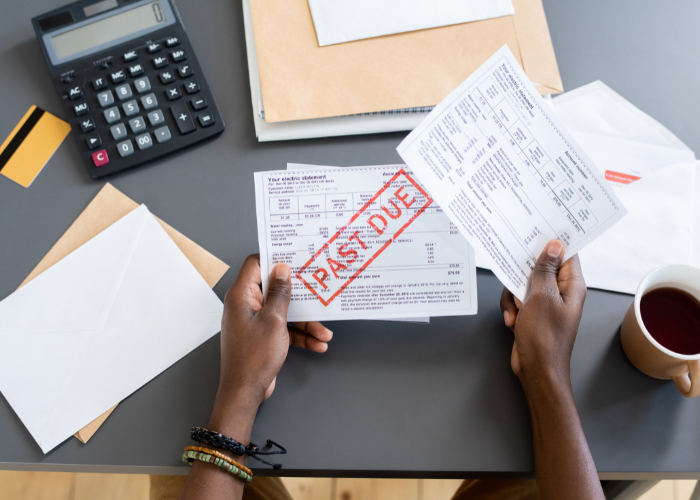
A non-payment is an immense risk to a company’s financial stability. That’s why it’s crucially important to know how and when to start the process to recover outstanding electronic invoices or paper invoices. And equally important is knowing the deadlines for when these debts become unenforceable, because if they pass, you won’t be able to turn to legal action to recover them. Below, we tell you when an unpaid invoice becomes unenforceable, how to claim it, and how to prevent them from affecting your liquidity. Furthermore, we reveal how EasyAP improves your invoicing process with automated solutions for non-payments.
What is the statute of limitations for an unpaid invoice?
By definition, the statute of limitations for an unpaid invoice is the time limit set by law for claiming a debt. Once this period has passed without a legal claim being made, the creditor loses the right to demand payment.
In Spain, the regulations governing non-payments are contained in the Civil Code (articles 1961 to 1973) and the Civil Procedure Law (LEC). Together, they outline the guidelines and processes to follow for legally claiming unpaid invoices.
So, if a company does not claim an invoice within the statute of limitations period, it will lose the right to collect it. Consequently, this often leads to significant financial losses and seriously affects a company’s liquidity and operations.
But when does the statute of limitations period begin?
The statute of limitations period begins to run from the moment the debt is due. That is, in the case of unpaid invoices, the time starts to count from the invoice’s due date. And if none is established, the debt is considered due from the moment the good or service is delivered to the client.
On the other hand, you should also consider that the period can be interrupted if the creditor initiates a formal action to claim non-payment of an invoice, whether an out-of-court or judicial demand. In such cases, the period restarts.
When does an unpaid invoice become time-barred in Spain?
Following up on what we mentioned in the previous point, in Spain the statute of limitations for unpaid invoices depends on the relationship between the parties and the nature of the debt. Article 1964 of the Civil Code states that, in general, personal actions without a specific statute of limitations become time-barred after 5 years. This is the period commonly applied to commercial debts, unless exceptions exist.
To clarify further, below we detail the general statutes of limitations for different types of unpaid invoices:
As you can see, and as we mentioned, the general five-year period for commercial debts is the most common for most overdue invoices between companies. However, the contractual context and the nature of the debt can also influence.
Exceptions to the Statute of Limitations Periods
In fact, there are exceptions to these periods, depending on the nature of the service or the agreements you have determined between the parties. Some of the most common are:
- Employment Relationships. According to Article 59 of the Workers’ Statute, debts for employment-related breaches have a statute of limitations period of one year.
- Interruption of the Limitation Period. If the creditor claims the debt, the period is interrupted and also restarts.
- Shorter Limitation Periods. In certain agreements, the parties agree on a shorter term.
- Public sector. Companies that provide services to public entities must be aware of certain regulations, since in specific cases the deadlines may be shorter.
How to claim an unpaid invoice?
At this point, we can fully delve into the central question of the article: how to claim an unpaid invoice. The process depends on the amount of the debt and whether there is willingness and good faith on the part of the client to settle that outstanding debt.
In these situations, regardless of the willingness, there are general steps that every company should follow to make a claim.
1. Out-of-court phase: try to reach an amicable solution
The first stage in claiming an unpaid invoice should always be to try to resolve the conflict amicably. This way you avoid legal costs and maintain a good commercial relationship with the client.
In turn, if you are not paid, the steps we recommend you follow in this phase would be:
- Resend the invoice with a reminder of the due date and the amount.
- Send a burofax or a certified letter with acknowledgment of receipt requesting immediate payment and warning of legal consequences in case of non-payment.
- Negotiate a payment plan to pay the debt in installments, especially if the client is going through a difficult economic period and has financial difficulties.
2. Judicial phase: initiate a dunning procedure
If amicable negotiations are unsuccessful, it may be time to resort to legal action. In Spain, the most common procedure for claiming unpaid invoices is the dunning procedure, which is regulated by the Civil Procedure Law. It is also characterized by the following:
- It is a quick and simple process designed to expedite claims for small amounts.
- It is only necessary to present the unpaid invoiceand any document that proves the existence of the debt.
- If the debtor does not respond within 20 days,the enforcement of the judgment proceeds.
However, keep in mind that the summary proceeding is especially useful for debts not exceeding 2,000 euros,as it does not require the intervention of a lawyer or solicitor in this case. However, for higher unpaid amounts, it is not the best judicial tool.
3. Enforcement of the Judgment
Finally, if the court issues a judgment favorable to the creditor and the debtor still fails to make the payment, the enforcement of the judgment can be requested.This phase may even include the seizure of the debtor’s assets or bank accounts to settle the debt.
How to Avoid the Problem of Unpaid Invoices
In any case, the most advisable thing for everyone is to avoid reaching this point. To do so, implementing preventive measures that improve the control and tracking of accounts receivable.At easyapwe have experience in this field and, based on our track record, we give you several tips to optimize your invoicing process and minimize problems arising from unpaid invoices.
1. Digitize Your Invoicing
In the midst of the era of digital transformation, adopting technological invoicing solutions like ours helps you manage collections and payments better. Digitalization facilitates the automation of invoice sending and the issuance of automatic reminders, which reduces the risk of oversight or human errors.
2. Define Clear Payment Terms
Based on experience, we advise you to clearly define payment terms in contracts from the beginning of the commercial relationship. Including clear due dates and penalties for delaysis a good way to prevent future disputes and facilitate timely collection.
3. Implement Automatic Reminders
The use of invoicing software allows you to automate payment reminders, ensuring that your client receives timely notifications about invoices that are nearing their due date. This obviously reduces the likelihood of non-payment.
4. Consistently track accounts receivable
Finally, maintain strict control over outstanding invoices. We assure you that this is a fundamental measure to act quickly in case of overdue invoices. Regularly reviewing the status of accounts receivable allows you to detect potential problems before they worsen.
How does easyap help you with unpaid invoice collection?
At this point in the article, it’s time to point directly to easyap. Broadly speaking, our solutions facilitate the issuance and receipt of invoices and allow you to thoroughly track all your outstanding invoices. Specifically, because we offer you:
- Automation of payment reminders, which reduces the possibility of non-payments due to oversight or lack of follow-up.
- Real-time control for financial managers, which improves your responsiveness to any incident.
- Integration with ERP, which guarantees a fluid and consistent operation throughout the company.
Additionally, easyap helps you automate the generation of reports on the status of your invoices. This way, you or any financial director will be able to detect patterns and make decisions with precise and accurate data.
Ultimately, effectively managing unpaid invoices ensures liquidity and financial stability for your company. Knowing the statute of limitations and the methods for claiming a debt is vital, and with tools like easyap’s, you improve invoicing control and streamline the collection process. Contact us and we’ll tell you more.


