Electronic Invoice
Meet compliance requirements and automate your invoice workflow
Electronic invoicing is becoming a mandatory standard in Europe.
Adaptation means not only digitizing documents, but also complying with new regulations and optimizing the workflow to achieve more efficient, traceable, and automated processes.
Updates on the Law
“Create and Grow”
Start of the Deadline
As of October 1st, companies must adapt to the new requirements set forth in the draft Ministerial Order.
We support you throughout the adaptation process, ensuring you comply with regulations seamlessly, optimizing your invoicing systems, and securing a safe and efficient connection with clients and suppliers.
The New Landscape of Electronic Invoicing in Europe
Electronic Invoicing as a Standard
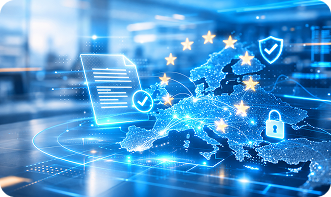
The adoption of electronic invoicing is growing rapidly across Europe. Each country is implementing its own regulatory models, which include:
- Mandatory National Electronic Invoicing Systems
- Public Platforms for Invoice Exchange
- Country-Specific Technical Requirements
- Varying Regulatory Timelines per Market
The trend is clear: structured electronic invoicing will be mandatory in most European markets.
Towards European Digital Interoperability
In this context, the **VIDA (VAT in the Digital Age)** project stands out, aiming to modernize the VAT system by digitizing the exchange of tax information between businesses and administrations.
This evolution seeks to:
Digitize tax processes | Standardize structured invoice formats | Improve transaction traceability Reduce tax fraud | Automate tax supervision
The challenge for companies
The implementation of e-invoicing brings new challenges for organizations, especially in international environments.
Companies must adapt to:
Different regulations depending on the country
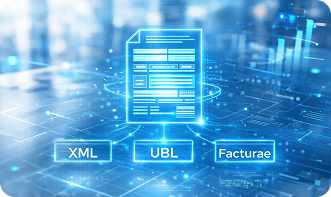
Mandatory structured formats such as XML, UBL, or Facturae
Integration with national public platforms
Connectivity with exchange networks like Peppol
Management of e-invoice reception in multiple formats
Traceability and secure digital preservation requirements
Our proposal:
e-invoicing automation
for regulatory compliance
connecting invoice issuance and invoice reception within an environment
integrated with your ERP.
The goal is to simplify regulatory compliance and optimize the invoice workflow
from start to finish.
Issuance of e-invoices
The platform facilitates the issuance of electronic invoices from your accounting system without modifying your current process.
Its key capabilities include:

Integration with public platforms and digital networks
The solution integrates with the main electronic invoicing exchange environments, including:




This allows companies to operate in different European markets with a system
prepared for the interoperability models promoted by the European Union.

Complete management of supplier invoices
In addition to issuance, the platform centralizes invoice reception and electronic invoice reception from different suppliers and formats.
Automating electronic invoicing management not only ensures compliance with regulations.
It also drives a real transformation in financial processes.
Key benefits include:
Reduction of manual tasks in accounting
Minimization of errors in invoice accounting
Greater traceability and internal control
Real-time visibility into invoice status
Preparation for future European regulations
Frequently Asked Questions
What is easyEI Electronic Invoicing and what are its main features?
EasyEI is an e-invoicing platform that allows you to issue invoices to customers and receive invoices from suppliers.
Main features:
- No software installation required.
- 100% variable cost, you only pay per invoice issued or received.
- Multi-format support: allows issuing and receiving invoices in formats such as facturae, XML, EDI, web invoice, and even paper.
Can I issue all my electronic invoices through easyEI?
The platform allows you to issue electronic invoices to all your customers, adapting to the format that each customer can receive. Additionally, it offers added value by attaching an accounting file along with the invoice, which facilitates automatic accounting in the recipient’s ERP. The platform manages this process, freeing both the issuer and the recipient from additional development.
What advantages does electronic invoicing offer?
Electronic invoicing offers multiple advantages:
- invoice generation, sending, and reception is immediate, reducing lead times to a minimum
- eliminates shipping costs such as envelopes and stamps
- guarantees reliable receipt of invoices and prevents losses by storing them in the easyapIP portal. Additionally, with workflow modules, it allows for the automation of reconciliation and approval processes, facilitating automatic accounting without human intervention.
What technical capacity must my systems have to be able to issue or receive electronic invoices?
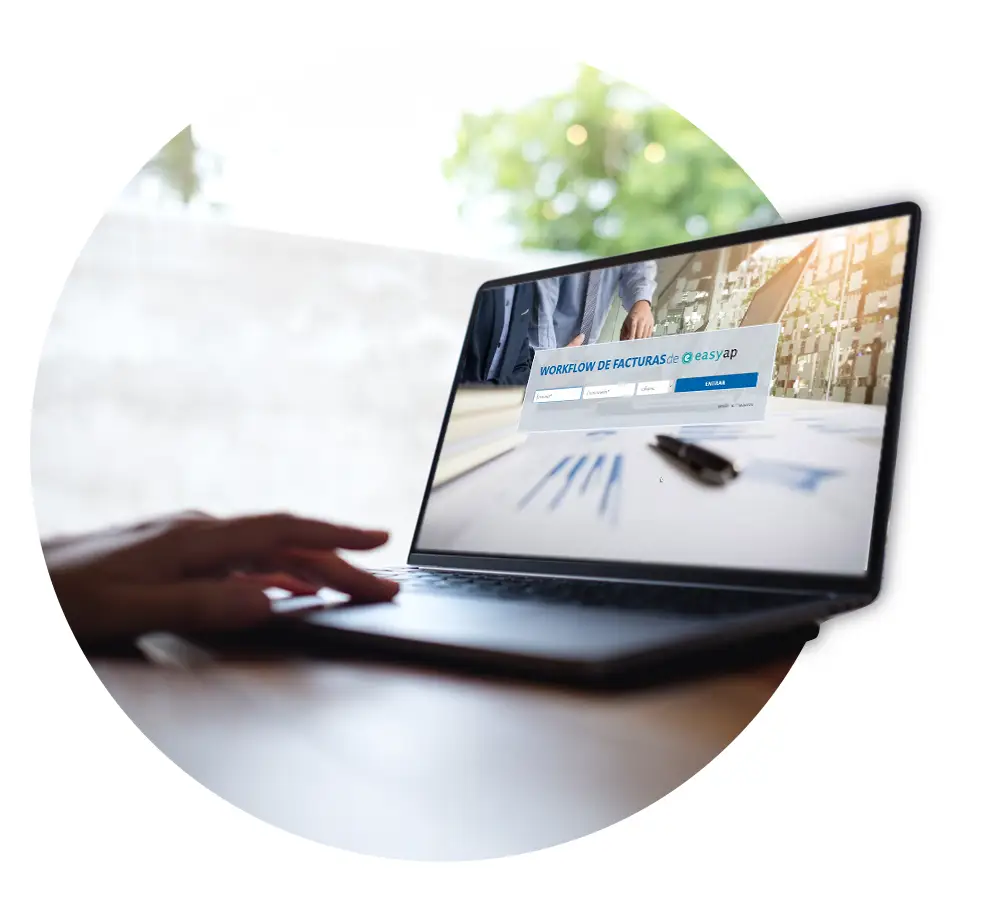
The easyap electronic invoicing portal allows invoices to be issued in two ways:
- by manually entering data into a web interface
- by automatically uploading files from the user’s ERP. The platform is compatible with any file format, facilitating issuance and reception regardless of the system used.
Is your company ready
for the new European framework?
E-invoicing is no longer a strategic option: it is a regulatory requirement that will continue to expand in the coming years.
Preparing your organization now will allow you to adapt to new regulatory obligations and efficiently optimize your invoice workflow.


