
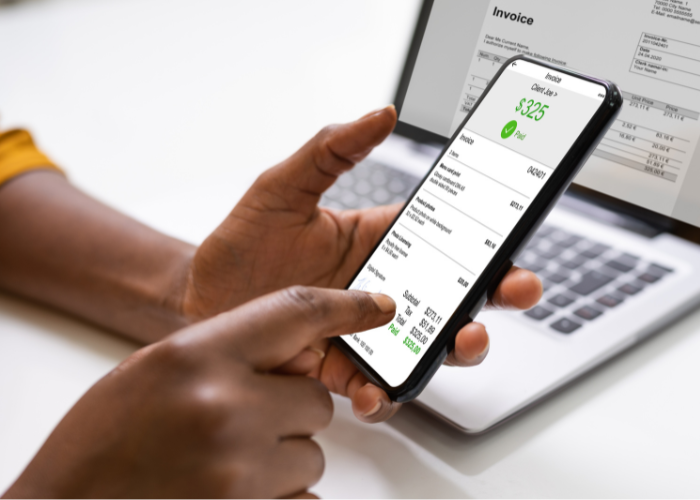
In the business world, proper transaction control ensures an efficient and transparent workflow. Among the documents that most impact this aspect, the payment receipt emerges. In this article, written for CFOs and accounting managers, we offer a complete guide on what a payment receipt is, how it is used, what information it should contain, and the key differences between a receipt and an e-invoice. Additionally, we show you how to create a receipt correctly, how to fill it out and we provide examples for implementing it in your company. In other words, we give you ideal content and tools to improve your accounting and financial operations.
What is a Payment Receipt?
But first, let’s start with the basics: the payment receipt is the document that certifies that a sum of money has been received from a payer by a beneficiary. Therefore, it serves as proof that an economic transaction has been carried out and that the money for it has been correctly received.
Main Function of Payment Receipts
In the business environment, the payment receipt is essential for proper control of financial operations and ensuring transparency in every transaction. In other words, its function is to provide tangible evidence that a financial transaction has been completed.
The fact is that this document is used in various day-to-day business situations, such as:
- Payments for Services Rendered. When a client pays a supplier for their services, a payment receipt is issued to confirm the receipt of the money.
- Purchase of Goods. When purchasing a product, the seller issues a payment receipt to confirm that they have received the agreed amount. This ensures that both parties have a record of the transaction.
- Refunds and Returns. In case of product returns or service cancellations, the payment receipt proves that the purchase amount has been reimbursed to the client, which brings clarity to the operation.
- Partial or installment payments. In operations where payment is made in several parts, the payment receipt documents each of these installments, avoiding confusion or misunderstandings.
For all these reasons, for companies, a payment receipt is more than just a simple document. It is a fundamental component for their accounting, as it allows for clear and precise recording of all financial movements. At the same time, during audits or tax reviews, it is the best tool to legitimize recorded transactions.
What information should a payment receipt contain?
In turn, just like with the data an invoice should contain, a correct payment receipt format includes several elements that give it legal validity. In this case, the fields it must contain are:
- Receipt number. It is a unique identifier that tracks the transaction in accounting records.
- Date of issue.
- Issuer’s details.
- Payer’s details.
- Description of the transaction.
- Total amount. It includes taxes, therefore reflecting the exact amount transferred.
- Payment method. If it was made in cash, bank transfer, credit card, etc.
Finally, in the midst of the era of digital transformation we give you a recommendation: although not always mandatory, including the digital signature serves to provide authenticity and formality to the document.
Practical example of a receipt
To better illustrate how a payment receipt is organized, below we present in a table what would be an example of a receipt of a simple payment:
This fictional case brings together all the information you need to include in a receipt to ensure the transaction is properly documented and easily traceable.
Differences between a payment receipt and an invoice
Even so, it’s common to confuse a payment receipt with an invoice. The truth is that both documents are essential in financial management, but they serve different functions and are used at different times in any transaction. To make it clearer, we detail what those differences between invoices and payment receipts are.
How to create payment receipts?
As you may have noticed by now, creating a payment receipt is a simple process, but with certain nuances to consider. Precisely for this, you should follow some steps to ensure the document fulfills its function. And besides serving as proof for the payer, it also plays a very important role for analytical accounting and business accounting in any business.
Step-by-step guide to creating
- Choose an appropriate format. You can use pre-designed templates, invoicing software like easyap’s, or even create one manually if you prefer a more personalized approach.
- Complete the essential data. Make sure to add all the basic information we mentioned earlier.
- Verify the information. Check that the data is correct, as an error on a payment receipt can lead to confusion, accounting problems, or even legal disputes.
- Issue the receipt. It is recommended that you opt for the digital version to facilitate document storage and management, and you will also be contributing to sustainability by reducing paper usage.
- Store the receipt securely. Preferably, do so in a document management system that offers easy access for future queries.
Throughout this process, a solution like easyap is vital. Specifically, because it helps and guides you to follow every step and thus maintain an organized and complete record of all transactions.
Where to find a payment receipt template?
In this regard, if you are looking for a payment receipt template, it is true that you can use generic templates from the internet. However, at easyap we offer you personalized and tailored solutions for your business and industry. With them, both your company and thousands of businesses from different industries can:
- Generate payment receipts efficiently and without errors.
- Collaborate in the development of accounting for the business.
- Promote sustainability on the planet.
- Save time and money.
- Automate document management, for everyone’s convenience.
- Comply with all regulations legal and tax-related.
Likewise, a suitable payment receipt should not only be easy to use but also aligned with the specific needs of your company and the sector in which you operate.
The relevance of receipts in financial control
Beyond their basic function as transaction proofs, payment receipts play a leading role in financial control. They are an extremely valuable tool for meticulously recording income and expenses, which facilitates precise control over your cash flow.
Ideal for audits
In internal or external audits, payment receipts legitimize recorded transactions. Companies that handle a large volume of transactions must be especially careful in managing these documents, as any inconsistency can lead to sanctions or fines. Furthermore, in many countries, tax authorities have the power to request copies of payment receipts during inspections.
Assists in accounting management at all levels
Furthermore, specialized software, such as easyap’s, helps you issue, store, and manage receipts efficiently. Therefore, they are tools that save time, minimize human errors, and improve access to documents. Implementing a digital system for receipt management is an investment that can offer significant benefits in terms of efficiency and regulatory compliance.
Prevents fraud
Another significant risk companies face is tax or financial fraud. This manifests in many forms, from fictitious payments to embezzlement of funds. The fact is that payment receipts, by providing a detailed and verifiable record of each transaction, protect against these types of activities. With rigorous internal controls that include the issuance and verification of payment receipts, you detect irregularities more easily and take corrective measures quickly.
Strengthen risk management in your company with easyap
Ultimately, proper management of payment receipts is essential to minimize risks and protect your company’s financial interests. At easyap, we know this, and that’s why we develop technological solutions designed to automate and optimize this process. With this clear premise, we ensure that every transaction you make will be accurately documented and that your company will be protected against any financial risk that may arise.
Don’t let the lack of an efficient system expose you to errors, fraud, or conflicts.Contact easyap today and discover how we can help you. Solutions to improve both your business’s operational efficiency and financial security are waiting for you.


